
Lead nurturing tools automate the process of moving prospects from initial interest to sales readiness through targeted, behavior-triggered communication. These platforms send timely emails, score engagement, trigger workflows based on behavior, and help teams focus on the leads most likely to close.
Most leads don’t convert right away — some prospects need weeks or months of education before they’re ready to buy. At the same time, 42% of sales teams say social media channels have the highest prospect response rate, compared to just 26% for email, yet many teams default to platforms built primarily for email workflows.
Some tools excel at email sequencing but can’t reach prospects on social. Others require technical setup that delays implementation. And with AI reshaping what’s possible, teams need clarity on which features drive conversions. This guide breaks down the top lead nurturing tools, compares their strengths and trade-offs, and helps marketing teams select the right platform.
What Are Lead Nurturing Tools and How Do They Work?
Lead nurturing tools automate the process of moving prospects from initial interest to sales readiness through targeted, behavior-triggered communication. These platforms track how leads interact with content, then deliver the benefits of lead nurturing through relevant follow-up messages based on their specific actions and engagement patterns.
The core workflow is straightforward: a lead takes an action, like downloading a guide or visiting a pricing page. The tool logs that activity, assigns a score based on engagement level, and enrolls the contact into a targeted email sequence or workflow. Over time, the system continues nurturing until the lead reaches a threshold that signals sales readiness.
For teams getting started, HubSpot Academy’s guide to creating a lead nurturing workflow walks through the complete setup process.
Must-Have Features in Lead Nurturing Software
Segmentation
Segmentation divides the lead database by attributes like job title, engagement level, or purchase intent so different groups receive different content. Sales teams aren’t starving for leads — 68% say lead quality has actually improved over the past year. When contact databases contain more good-fit buyers, blasting everyone with the same nurture wastes hard-won attention and marketing budget. Segmentation lets marketing teams group leads by role, industry, and engagement so CFOs receive a very different message than practitioners, and high-intent visitors receive a different cadence than casual subscribers.
Dynamic Content
Dynamic content swaps out email copy, images, or CTAs based on the recipient’s attributes. A lead in healthcare might see industry-specific case studies, while a lead in finance sees different strategy examples — all from the same email template.
Seventy-four percent of sellers say AI tools have made it easier for buyers to research products on their own. By the time prospects enter a nurture sequence, they’ve already compared vendors and know the basics — generic emails just repeat information they’ve seen. Dynamic content lets marketers swap in industry-specific examples, objections, and use cases based on each lead’s profile, so the nurture can continue the buyer’s research rather than starting from scratch.
Lead Scoring
Lead scoring separates active buyers from casual browsers by assigning values to behaviors. Multiple pricing page visits, demo requests, and email replies accumulate points that flag a lead as sales-ready.
Lead scoring systems combine explicit data, such as job title and company size, with implicit signals, such as email engagement and website activity. Negative scoring filters out unqualified leads like students or competitors.
When deals fall apart, it’s rarely because sales teams didn’t send enough emails — 37% of lost deals happen because buyers aren’t convinced the product is right for them. Lead scoring brings that fit question to the forefront by assigning higher scores to behaviors that historically correlate with closed-won deals. Marketing can nurture low-scoring leads with educational content, while sales focuses on high-scoring leads where there’s a clear problem-solution match.
Multi-Channel Orchestration
Multi-channel orchestration treats email, SMS, social media, and the web as connected steps in a single journey. If a lead clicks an email link but doesn’t convert, they automatically enter a retargeting sequence on social without manual handoffs between platforms. Orchestration ensures each touchpoint builds on the last, regardless of channel, making it one of the most effective lead-nurturing tactics for complex buyer journeys where a single touchpoint rarely drives conversion.
A/B Testing
A/B testing runs controlled experiments on emails, subject lines, CTAs, and landing pages to determine which perform better. Personalization isn’t just “Hi [first name]” — 27% of sellers still list personalization as a major challenge in their sales process.
Testing at scale replaces assumptions with evidence about what actually increases open rates, click-throughs, and conversions. Teams can test subject lines, CTA placement, and send timing to build a clearer picture of what personalized means for each persona.
Analytics and Reporting
Analytics identify which campaigns drive conversions, where leads exit the funnel, and how different segments respond. Without detailed reporting, teams see surface metrics like opens and clicks but can’t trace which nurture emails actually influenced deals.
Strong platforms measure email engagement, workflow completion, segment conversion rates, and campaign revenue attribution. Advanced systems connect specific nurture touches to closed deals, showing that one email sequence contributed to 15 conversions worth $500K while another generated none. Teams can then expand high-impact campaigns and eliminate low performers based on revenue data to measure lead nurturing success.
AI-Powered Personalization and Automation
AI analyzes patterns across thousands of interactions to predict optimal send times, recommend next-best actions, and personalize content at a scale no human team could match. Only 8% of sellers say they don’t use AI at all in their process, and AI is ranked among the highest-ROI tools in the stack.
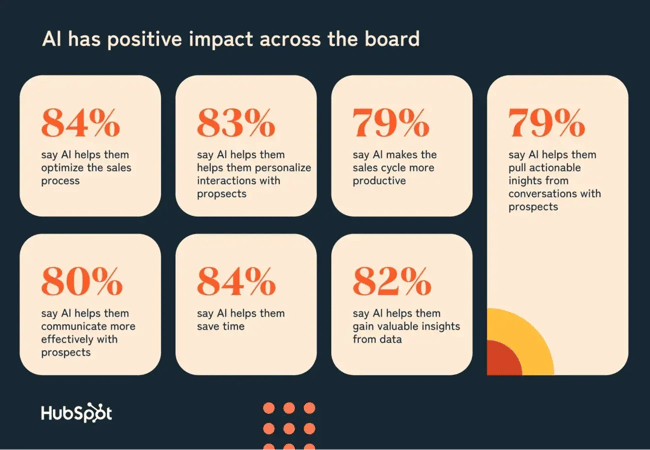
Understanding which features matter most is the first step — selecting the right platform to deliver them is the next. The tools below represent the leading options for teams looking to build or upgrade their lead nurturing stack in 2026.